Did you know that 40% of all on the job deaths that occur at work are a result of a fall from height? These typically involve workers that have been tasked with working on roofs and hard to reach places using a ladder. Unfortunately, this is a very damning fact, but one that can be addressed through simple and effective safety measures.
Preventative steps such as sufficient training in the safe use of ladders as well as providing equipment that is fit for purpose will have a dramatic impact on reducing these numbers. Another important way that you can keep safe whilst working at height is by wearing the correct clothing and personal protective equipment (PPE).
Unsure about what clothes and PPE you should be wearing when using a ladder? Read on to find out!
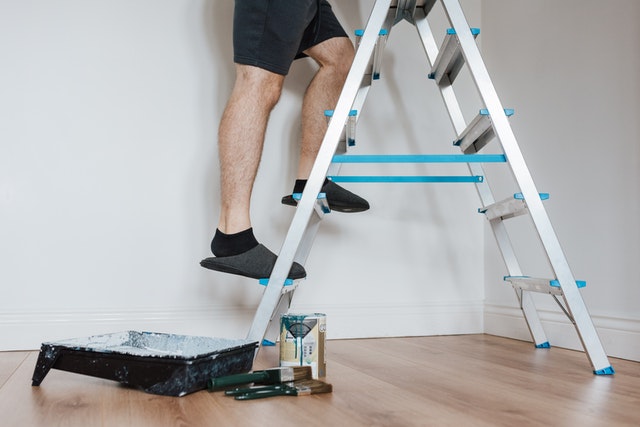
If you are an employer, the safety of your workers is ultimately your responsibility. And this includes when they are using a ladder to work at height.
Now, some people may think otherwise and that when people are using a ladder, their safety is their own responsibility. However, this is far from the truth. So, if an employee of yours does fall from a ladder and injures themselves, what will happen to you? Can you be fined? Let's find out...
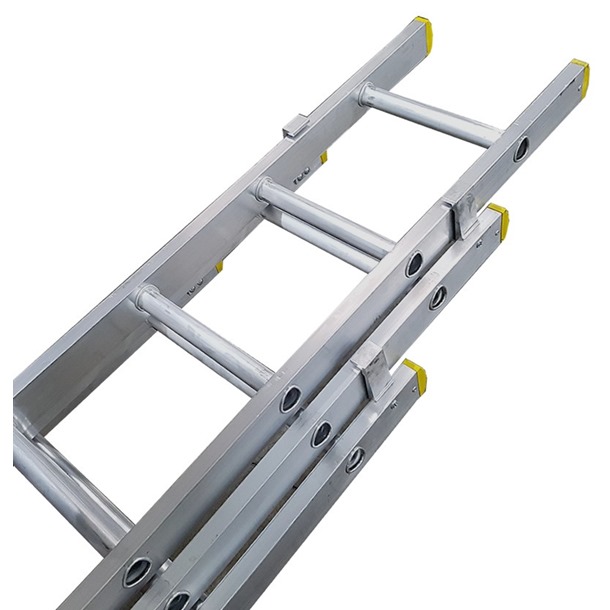
When purchasing a ladder, it's helpful to know what length you need. But what about width? Should you be taking that into consideration too?
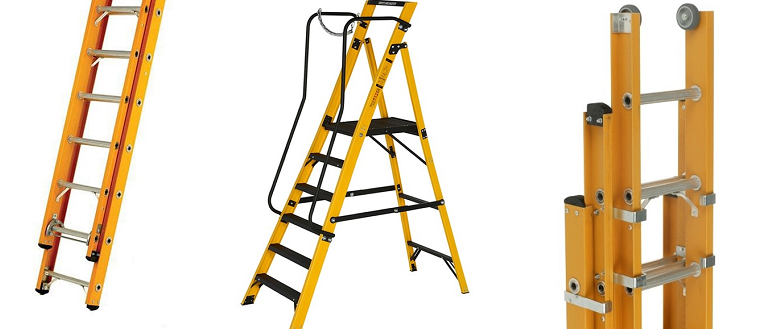
Working around electrical hazards is daunting for anyone. Ensuring you have the right equipment to keep you safe can put your mind at ease and help you get the job done without injury.
For those of you who don't know, fibreglass ladders are recommended for electrical work because they're highly non-conductive, unlike aluminium or steel ladders which are highly conductive. But what does 'non-conductive' mean and how is a fibreglass ladder going to protect you against an electric shock?
A brief science lesson
Electricity always looks for the fastest route from the source to the ground, which usually means travelling through a conductive material. You may have heard the advice "don't be in a swimming pool during a thunderstorm" well this is because lightning is attracted to water because it's highly-conductive.
If you want to prevent electricity from passing through you into the ground when you're on a ladder, it's important you put something insulating as opposed to conductive between you and the ground. Aluminium and steel ladders are often conductive, so they're not the safest choice if you're working near a live wire or electrical cables.
How do fibreglass ladders protect me?
Fibreglass ladders, however, are insulating which means electricity can't pass through them. By putting a fibreglass ladder between you and the ground, you're making sure that the quickest route to the ground is not through your body! This means that, should the worst happen, you'll be protected and shouldn't get an electric shock.
Choosing a fibreglass ladder
Here at Ladders UK Direct, we offer a wide range of fibreglass ladders to help you work around electricity safely. Whether you need a low-level step ladder, an extension ladder for extra reach or a combination for use in hallways and on stairs - we have a fibreglass ladder for you!
Fibreglass Ladders Fibreglass Steps
If you have any questions about our fibreglass ladders or how they protect against electricity, don't hesitate to get in touch. Our team of experts will be happy to help you with any queries you may have.
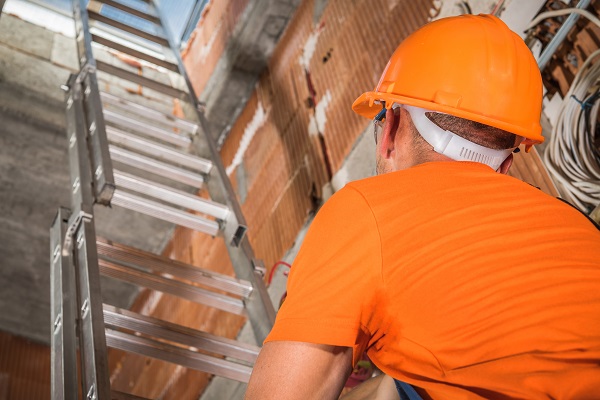
Working with ladders on uneven ground can be really challenging. Here at Ladders UK Direct, we'd always recommend using your ladder on flat ground where possible, but we understand that sometimes this simply isn't an option. If you find yourself having to use a ladder on uneven ground, you should do whatever you can to make the ground even before you start.




