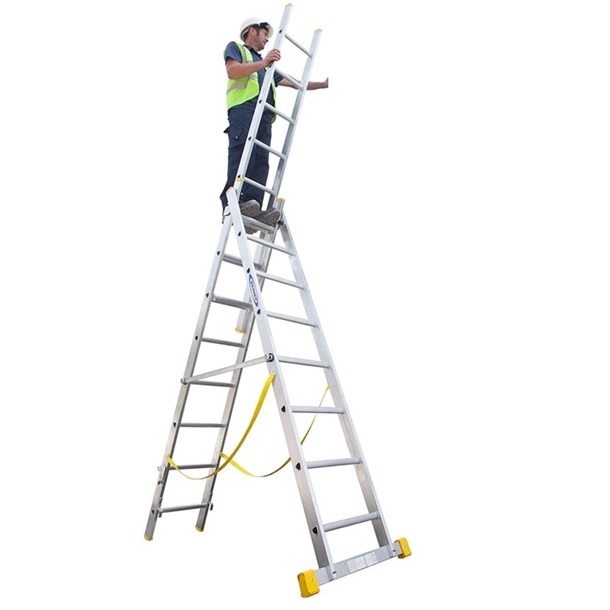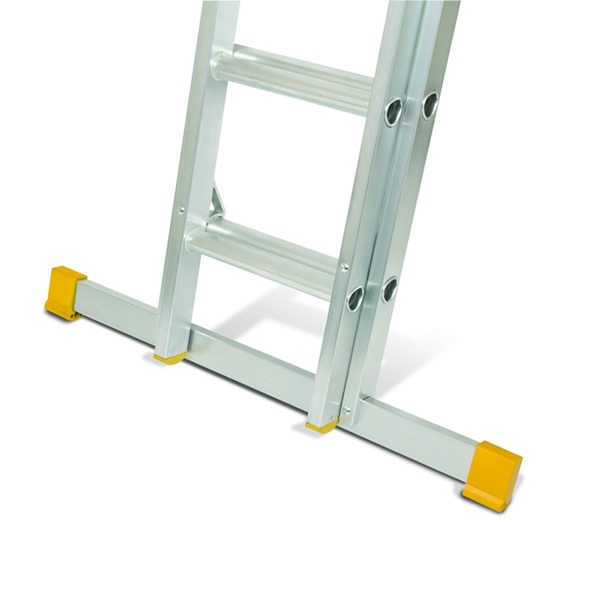
We sell a wide variety of ladders here at Ladders UK Direct. As you browse our website, you may notice that a lot of our extension ladders come with a stabiliser bar included as standard.
A stabiliser bar is a horizontal bar that widens the base of the ladder to keep it from slipping. Very often, this 'foot' is integrated into the ladder's design, but stabiliser bars are also sold separately (in which case they can be attached or removed as needed).
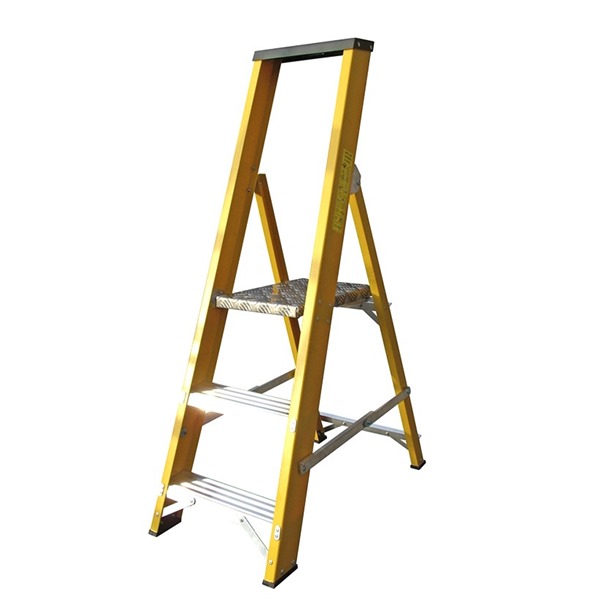
Step ladders are a type of self-supporting ladder. Unlike, say, an extension ladder - which must be leaned up against a wall or another surface that's sturdy enough to support it - a step ladder can stand up all on its own, without any additional support or stabilisation.
But here's a question that a lot of people ask: can a step ladder be leaned against a wall and used as a straight ladder if the situation demands it? Or should step ladders exclusively be used as self-supporting ladders?
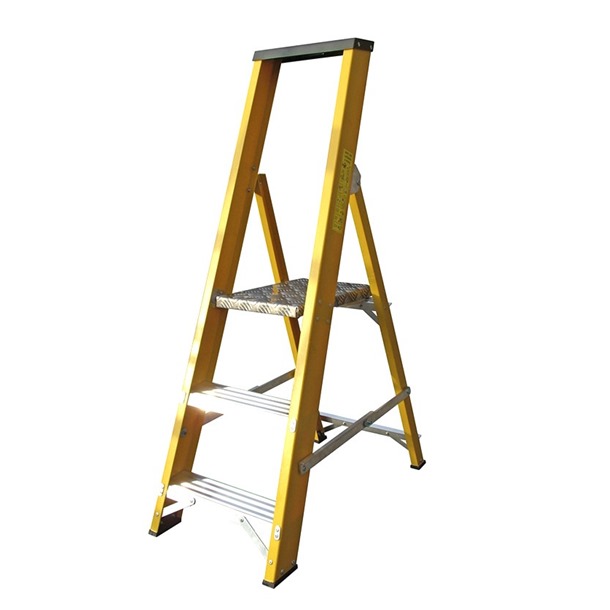
Aluminium ladders are great for all sorts of tasks, but if you're carrying out electrical installations or working near power lines, an aluminium ladder is not a safe choice.
This is because aluminium conducts electricity. When you're working with electricity, you want a non-conductive ladder that will reduce your risk of electrocution.
And that's where our fibreglass step ladders come in. Unlike aluminium, fibreglass is non-conductive, so these ladders are ideal for electricians and anyone else who frequently works near electrical hazards.
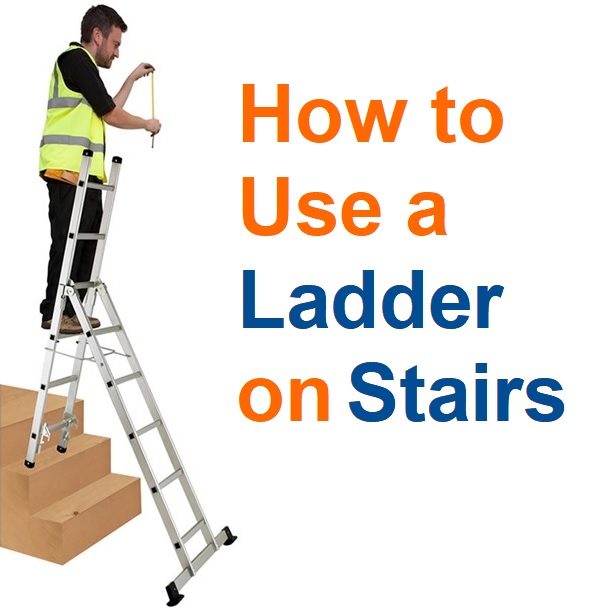
Only ladders that are specifically designed for stairs should be used on stairs. This is because by balancing a regular ladder on stairs, you can create dangerous angles and significantly increase the risk of falls.