



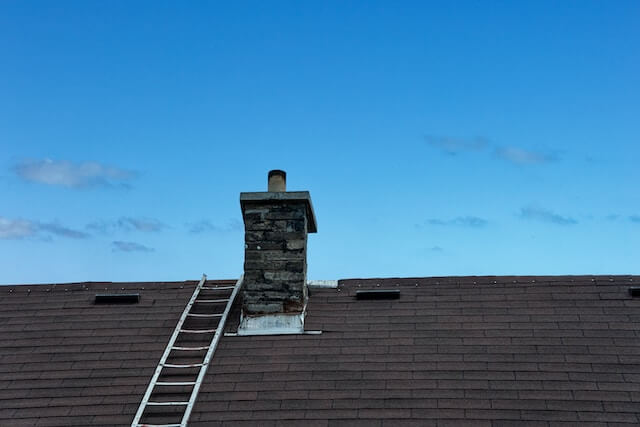
According to the Health and Safety Executive, step ladders “should not be used to access another level, unless they have been specifically designed for this.”
According to the Health and Safety Executive, step ladders “should not be used to access another level, unless they have been specifically designed for this.”

If you're new to the world of construction you might be asking the question - is it safe to put a ladder on a roof? Well, here at Ladders UK Direct, we offer a wide range of ladders that are specifically designed to be used on roofs. Today we're going to take a look at these roof ladders to show you how safe & effective roof ladders can be when you need to access your roof or chimney. Roof ladders allow you to work on the top of any building in a safe & secure manner. Here's how...
Roof ladders are designed to be used on the roof itself, which means you'll need to have a suitable extension ladder to help you reach the required height first. People have asked us whether it's safe to put an extension ladder on their roof, and the answer is a definite no! Extension ladders are designed to be used on stable ground & they don't have any features to secure them to the roof itself. Chances are if you put an extension ladder (or any other traditional ladder) onto your roof, you're going to end up injured. They simply aren't built to be used on roofs!
If you do need to work on your roof, it's paramount that you purchase a suitable roof ladder. The roof ladder should be able to reach from the eaves to the roof ridge, so bear this in mind when you're choosing. If you're unsure which of our roof ladders is right for you, get in touch with our expert team. We're more than happy to help.
Yes! Roof ladders boast a unique design with a hooked top that makes them perfectly safe to use on most roofs. They also feature wheels so that you're able to get them into position with ease. Every element of the roof ladder's design is there to ensure that you can work at height safely.
1. While standing on a secure extension ladder, push the roof ladder up and onto the roof. The wheels should be in contact with the roof tiles & the hook should be facing upwards.
2. Unlock the safety clips and push the roof ladder upwards so that it reaches the top of your roof.
3. Once the ladder is in place, secure it by locking the safety clips in place. Then, flip the ladder over so that the hook reaches over the apex of the roof and secures the ladder in place.
4. Before climbing onto the roof ladder, give it a tug to see if there's any movement. If there's excessive movement, consider re-positioning the roof ladder in a more suitable place.
Note: Always ensure you are wearing the correct PPE before you climb up a ladder or onto a roof. If you don't have sufficient safety equipment or training, do not climb onto the roof.
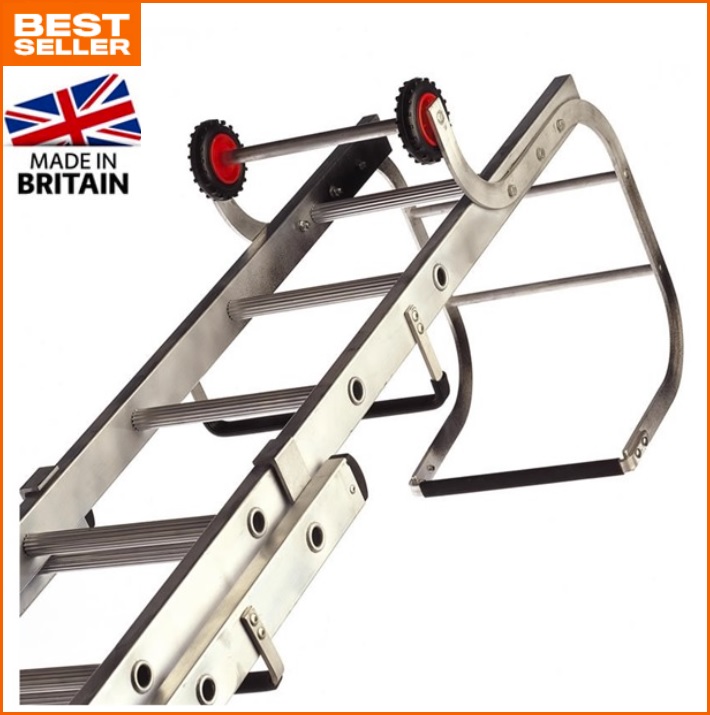
This Lyte Double Section Roof ladder is one of our best-sellers! Here are some of it's key features:
Made of lightweight aluminium
Combines the strength of a trade ladder with a heavy-duty ridge hook for stability
Rubber coated bars that evenly distribute the weight across the roof
Secure safety catches
150 kg maximum load
Industrial non-slip rungs
Available in: 2.94m-4.64m, 3.44m-5.64m, 3.94m-6.64m, 4.30m-7.67m
Order Now > Shop All Roof Ladders >
If you have any questions about our roof ladders, we'd love to hear from you! Take a look at some of our other resources about roof ladders below.
Read More:
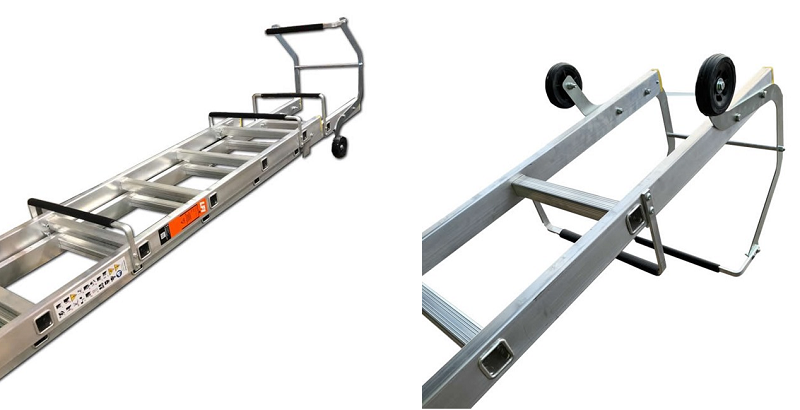
Looking for a high-quality roof ladder for a reasonable price? We have just the thing! This Super-Trade Double Section Roof Ladder is now better than 20% OFF!
But what makes this roof ladder different from the rest? Well, it's made of tough (yet lightweight) aluminium & steel which means it's easy to move around and won't rust. It features a heavy-duty roof hook and a sturdy aluminium crossbar that gives plenty of strength and stability while you work.
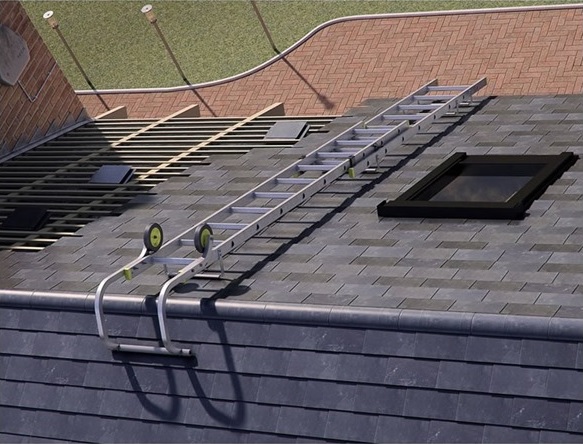
While we're all grateful for the roofs over our heads, we don't always look after them in the way we should. One of the first steps you need to take to keep your roof functioning properly is to perform a roof inspection to identify potential problems. You might not be very confident about climbing on the roof, but with the right equipment and know-how, you can keep your roof in tip-top condition for years to come
Here in the UK, our winters can be very damaging to roofs and other exposed areas of your home. Your roof takes the brunt of the harsh weather and can be damaged by rain, snow, or even wind. With this in mind, it's vital that you carry out a roof inspection before and after winter to ensure that any developing problems are dealt with quickly. It's much easier to resolve a minor problem before a major one occurs.
Climbing on the roof can be dangerous, but if you have the right equipment and you know how to use it, then you should be able to carry out a ladder inspection, no problem. Here at Ladders UK Direct, we offer a wide range of roof ladders that are designed to help you access your roof safely.
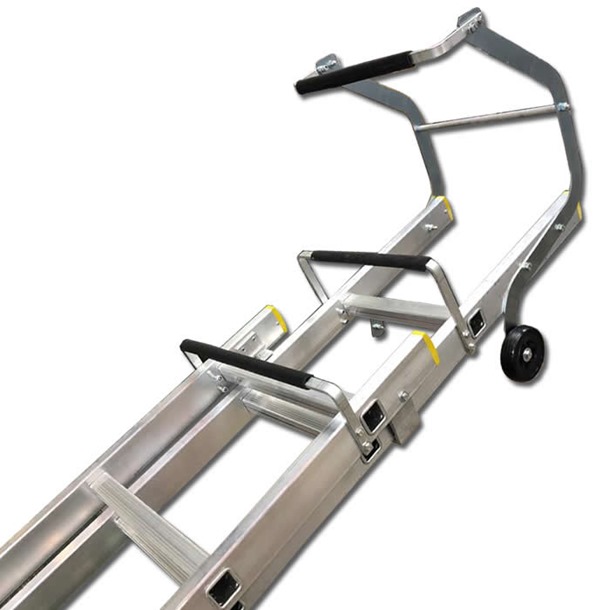
This Super-Trade Double Section Roof Ladder is one of our best sellers because it features heavy-duty galvanised steel hooks and an aluminium crossbar that provide strength without being too heavy. This roof ladder is perfect for carrying out a roof inspection several times a year and is built to last.
Whether you have roof tiles or roof slates, the general things to look out for during a roof inspection are the same. Here's a checklist of things for you to consider while you're assessing your roof:
All of these things indicate that your roof (or parts of the roof) are damaged. You should seek to have these repaired/dealt with quickly to ensure your roof remains functional and doesn't damage the inside of the house.
So, to answer the question "how often should you have your roof inspected" the answer is, often! Investing in a roof ladder from Ladders UK Direct will help ensure you can carry out roof inspections for years to come.
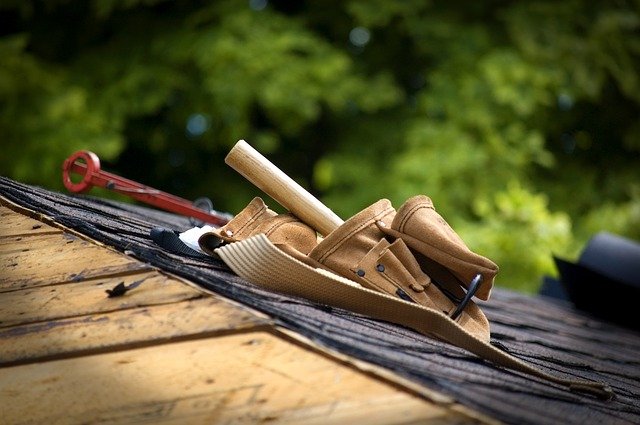
To increase the health and longevity of your building's roof, it is recommended that you conduct a roof inspection around twice a year. In some cases, not inspecting your roof and leaving it in a dire state can void your roof's warranty if you were ever to make a claim. So, it is vital that you carry out regular roof maintenance to avoid any unnecessary stress and issues in the future.