




Working at height carries many risks. Using your equipment safely will mitigate most of them, and this includes using your ladder properly.
Working at height carries many risks. Using your equipment safely will mitigate most of them, and this includes using your ladder properly.

When using a ladder to work at height, you must undertake safety inspections before the work can begin.
These safety inspections absolutely must include assessments of the working environment. If you don’t sweep it for hazards, you could end up in very unpleasant situations should an accident occur.
Don’t just take our word for it. Recently in the state of Utah, US, a man fell eight feet from a ladder and was impaled in the back by a metal spike. Ouch! (At the time of writing he is in a stable condition.)
Here in the UK, 40 fatal injuries occurred over 2022-23 as a result of falls from height. This makes it very clear that ladder safety to take seriously!
READ MORE: How Many People Fall Off Ladders Each Year?
No matter how thoroughly you prepare against them, accidents do still happen, so it’s always worth making sure your working environment is as free as possible from hazards. That way, should you or an employee fall from a ladder, there won’t be any collisions with anything harmful.
Potential hazards include:
If you have any further questions about ladder safety, or about any of our products, please don’t hesitate to get in touch and we’ll do our best to help you out.
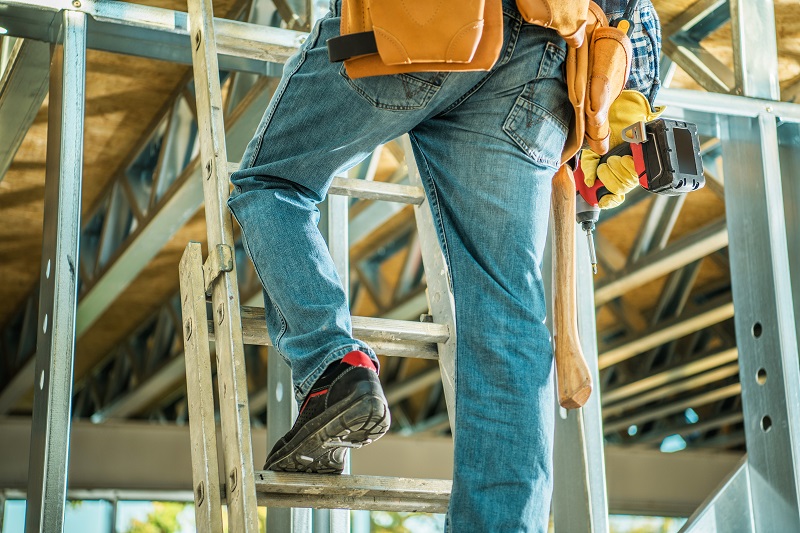
Working at height often requires the use of ladders and step ladders. Make sure you’re using them safely in the workplace by following the Health and Safety Executive (HSE) guidelines.
Familiarising yourself with the relevant health and safety precautions before using a ladder is the most important way to prevent any injuries. What a lot of people might not realise is that the time spent working on a ladder can also impact the overall risk factor of a job; in fact, it can significantly increase the risk of an incident.
Read on to find out the maximum time you should spend on a ladder.
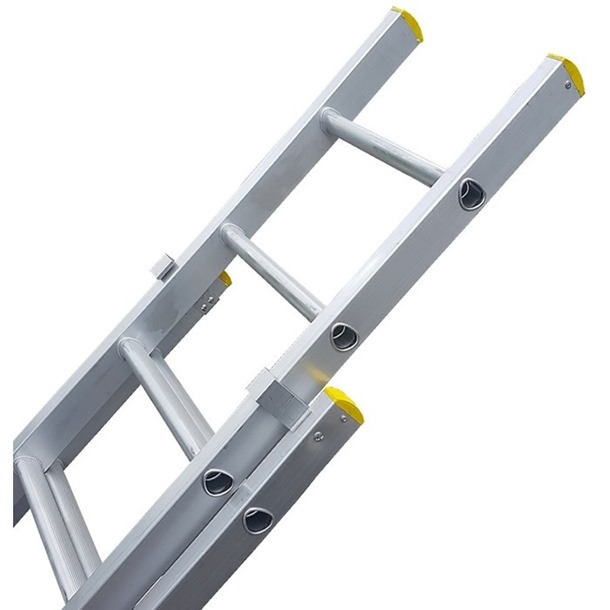
Ladder owners must be aware of the risks associated with working on a ladder and take the necessary precautions before doing so. One such precaution is performing a pre-use check before each use to ensure there are no signs of damage to your ladder. A damaged or faulty ladder could collapse with you on it and cause a nasty fall.
To avoid this, here's a handy guide on how to inspect a ladder...
According to HSE (Health and Safety Executive), you must check the following when inspecting a ladder:
Make sure the stiles (also known as the side rails) are not bent or damaged in any way, or else the ladder could collapse beneath you.
Check to see if they are missing, worn, or damaged. Make sure the anti-slip surfaces are also undamaged. If so, the ladder could slip as you use it.
Are they bent? Worn? Missing? Loose? If so, you could fall while using the ladder.