
Familiarising yourself with the relevant health and safety precautions before using a ladder is the most important way to prevent any injuries. What a lot of people might not realise is that the time spent working on a ladder can also impact the overall risk factor of a job; in fact, it can significantly increase the risk of an incident.
Read on to find out the maximum time you should spend on a ladder.
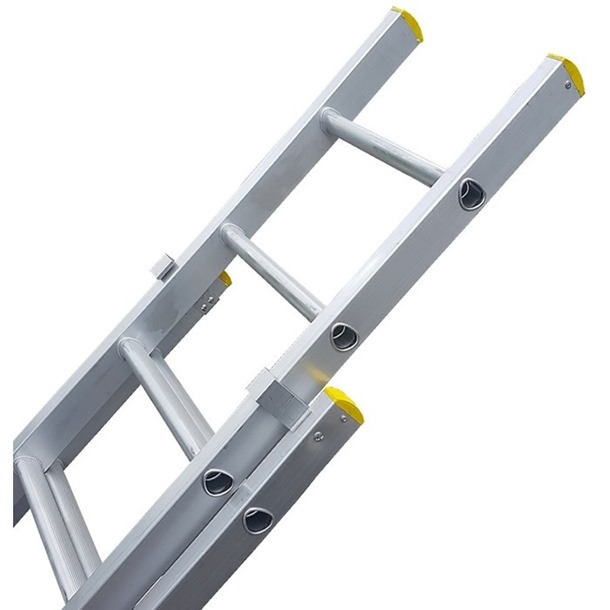
Ladder owners must be aware of the risks associated with working on a ladder and take the necessary precautions before doing so. One such precaution is performing a pre-use check before each use to ensure there are no signs of damage to your ladder. A damaged or faulty ladder could collapse with you on it and cause a nasty fall.
To avoid this, here's a handy guide on how to inspect a ladder...
Ladder inspection checklist
According to HSE (Health and Safety Executive), you must check the following when inspecting a ladder:
1. Stiles
Make sure the stiles (also known as the side rails) are not bent or damaged in any way, or else the ladder could collapse beneath you.
2. Feet
Check to see if they are missing, worn, or damaged. Make sure the anti-slip surfaces are also undamaged. If so, the ladder could slip as you use it.
3. Rungs
Are they bent? Worn? Missing? Loose? If so, you could fall while using the ladder.
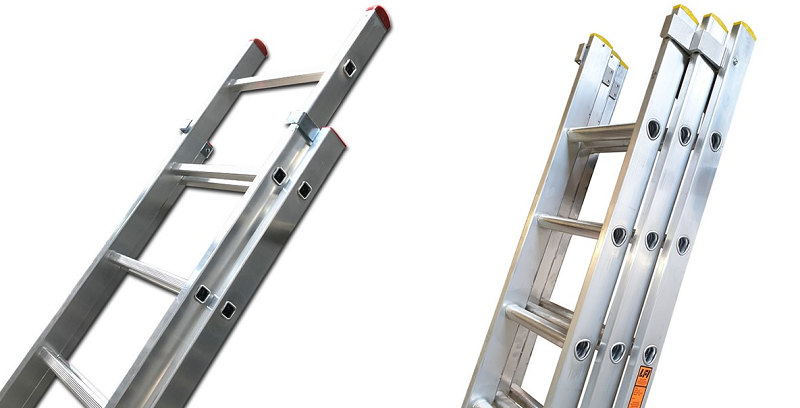
Working at height comes with risks. If you're planning to use a leaning ladder, it's important to conduct a thorough ladder risk assessment beforehand.

In most situations, you can use a ladder alone. If you’re at home and a bulb or smoke alarm battery needs changing, you can set up a step ladder or step stool to tackle the job on your own.
But is it really safe to use a ladder alone? Read on to find out more.
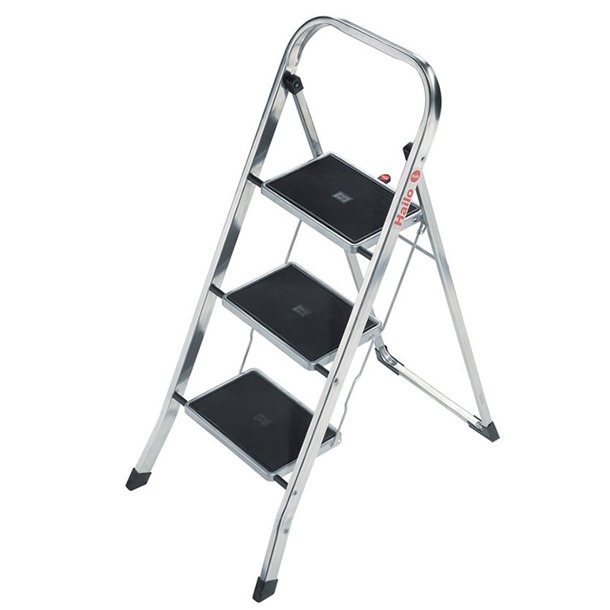
Unsafe ladder use is a leading cause of workplace accidents. To help ensure you don’t injure yourself or others while using one, we’ve put together this handy list of essential ladder safety rules.




